 UNIVERSITA' DEGLI STUDI ROMA TOR VERGATA
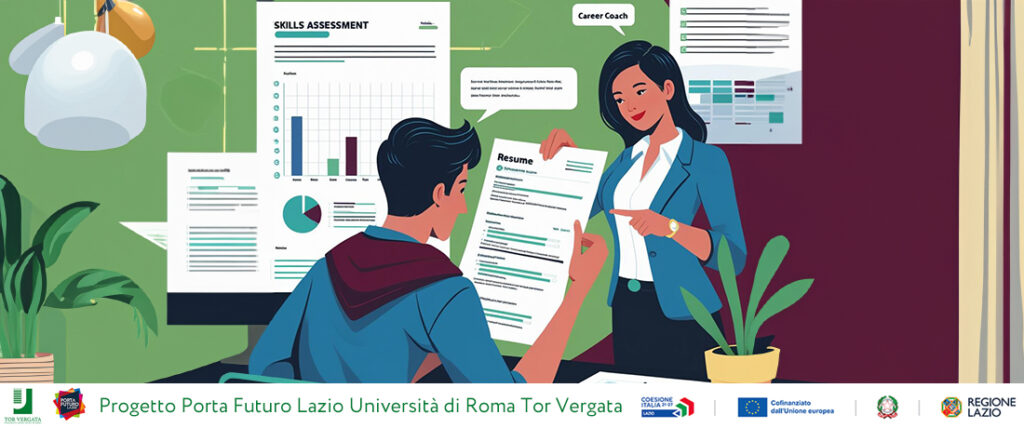
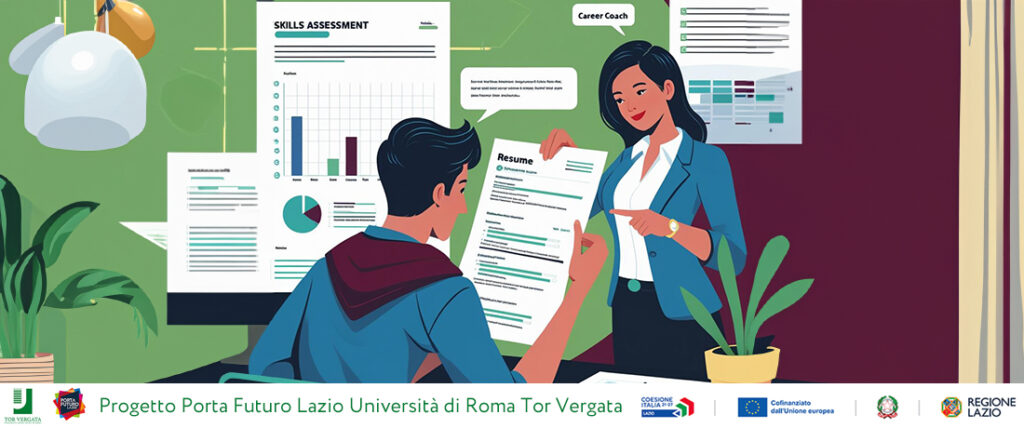
Servizi di orientamento al lavoro e coaching in collaborazione con Porta Futuro Lazio
:: Prenotazione Consulenza e Coaching per Orientamento al Lavoro
Martedì 30 settembre 2025
ore 16.00-18.00
online su Teams
Registrati e riceverai il link per partecipare il 30 settembre 2025 alle 16.00 su Teams
Hai bisogno di una mano per orientarti nel mondo del lavoro?
Sei uno studente, un laureando o un laureato? O semplicemente una persona in cerca di nuove opportunità? L’Ufficio Placement dell’Università degli Studi di Roma Tor vergata, in collaborazione con Porta Futuro Lazio, ti offre una serie di servizi gratuiti pensati per aiutarti a costruire il tuo futuro professionale in modo consapevole e concreto.
Cosa ti offriamo:
- CV Check
Hai già un curriculum ma non sei sicuro che funzioni? Portalo da noi: lo analizzeremo insieme per renderlo più efficace e su misura per il tuo obiettivo. - Seminari di orientamento al lavoro
Scopri come muoverti tra offerte, colloqui, candidature e strategie vincenti per entrare nel mondo del lavoro con più consapevolezza. - Colloqui individuali con esperti
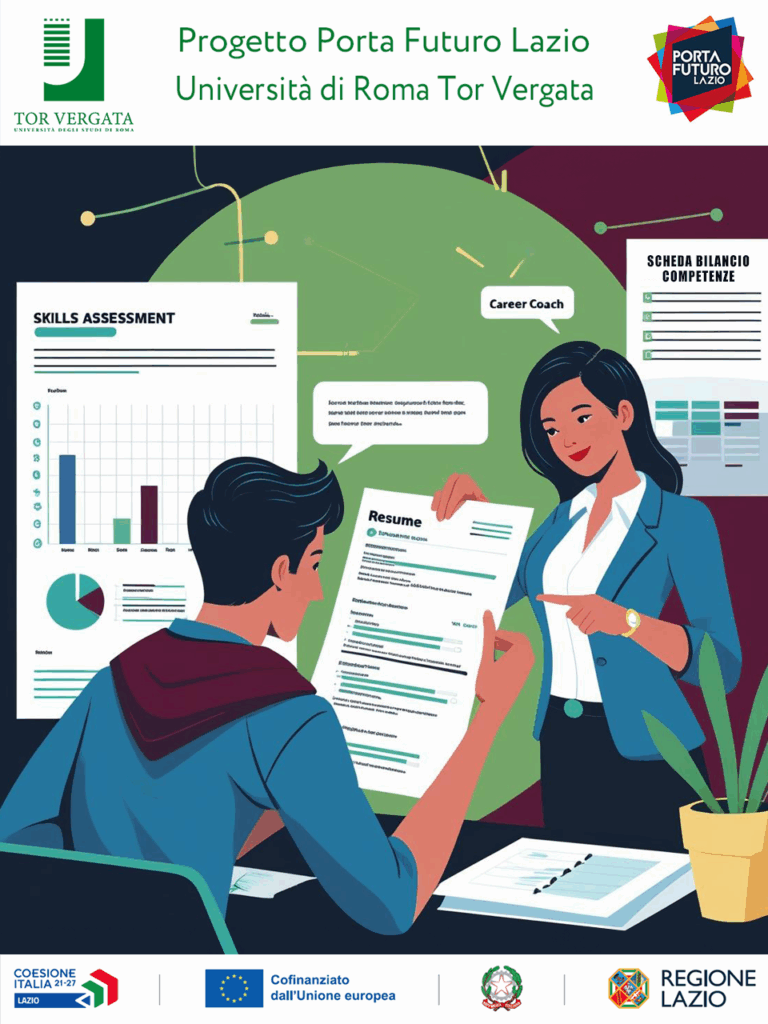
Vuoi capire meglio le tue competenze, i tuoi obiettivi e come valorizzarti nel mondo del lavoro? Prenota un incontro con un esperto di coaching o di bilancio delle competenze. I colloqui si svolgeranno presso gli sportelli presenti nelle Facoltà e saranno accessibili su prenotazione. Un’occasione comoda e personalizzata per chiarirti le idee e fare il punto sul tuo percorso.
A chi sono rivolti questi servizi?
A tutti! Studenti, laureandi, laureati e cittadini interessati a conoscere le proprie capacità, attitudini e a definire un progetto di sviluppo o di cambiamento professionale.
Dove trovarci?
Presso gli sportelli attivi nelle Facoltà da settembre 2025.
:: Prenotazione Consulenza e Coaching per Orientamento al Lavoro
Come partecipare alle iniziative?
Consulta il programma dei seminari di luglio e settembre 2025 (in aggiornamento):
- 10 luglio 2025 ore 10.30 – Laboratorio CV e lettera di presentazione (Scarica Presentazione in pdf)
- 15 luglio 2025 ore 16 – Gestione del tempo e delle energie nella ricerca attiva del lavoro
- 21 luglio 2025 ore 10.30 – Dagli annunci all’autocandidatura: criteri di scelta per il lavoro “giusto” (Scarica Presentazione in pdf)
- 23 luglio 2025 ore 16 – Sono stato assunto e ora? Come “entrare” al meglio in azienda
- 9 settembre 2025 ore 16 – Laboratorio CV e lettera di presentazione (Scarica Presentazione in pdf)
- 15 settembre 2025 ore 14.30 – Soft skill in azione: le competenze che fanno la differenza
- 18 settembre 2025 ore 14.30 – LinkedIn e altri social per la ricerca del lavoro
- 23 settembre 2025 ore 10 – Mercato del lavoro e mappatura degli strumenti di ricerca
- 26 settembre 2025 ore 16 – Come instaurare una comunicazione efficace nei primi minuti di colloquio
- >30 settembre 2025 ore 16 – Mobilità internazionale e opportunità di studio e di lavoro
Registrati e riceverai il link per partecipare il 26 settembre 2025 alle 16.00 su Teams